
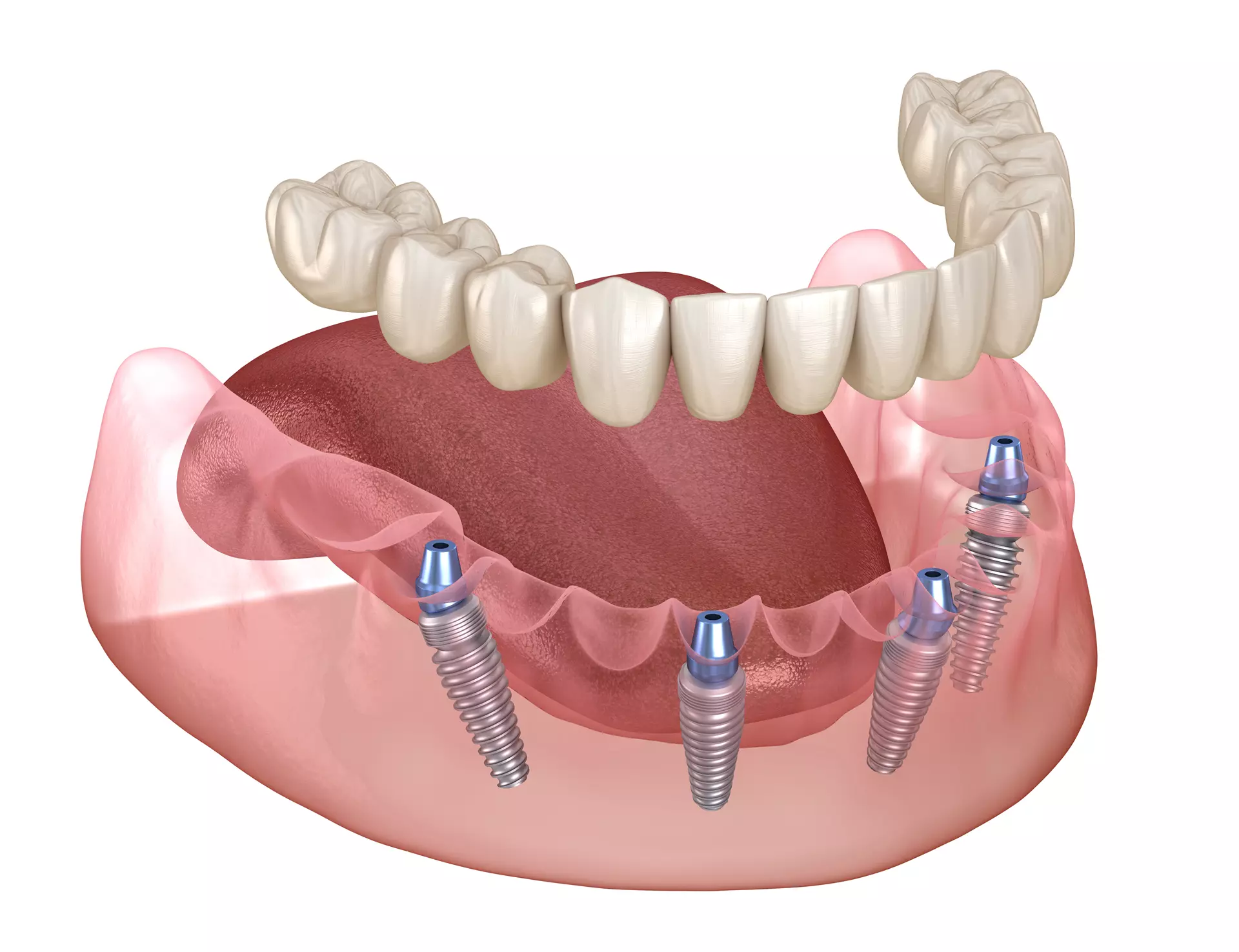
Simply put, caring for dental implants is different from cleaning natural teeth for two main reasons: first, implants and natural teeth connect to the gums and bone in distinct ways; second, the materials used in dental implants differ from natural tooth enamel. Dental implants act as replacements for tooth roots, and attached to them through an abutment are crowns, bridges, or dentures.
Maintaining implant-supported teeth is just as vital as caring for natural teeth because both rely on healthy gums and bone for support. Plaque can build up on implant crowns just like natural teeth, so daily brushing and flossing at home are essential. Without proper care, infections called peri-implantitis can develop, which may lead to implant failure. Unlike typical gum inflammation around natural teeth, peri-implantitis can cause rapid bone loss, jeopardizing the implant’s stability.
Book OnlineOur skilled dental hygiene team plays a key role in keeping your dental implants healthy and free from infection. Choosing the right cleaning tools for professional maintenance depends on several factors. We begin with a thorough oral examination to assess the type and location of deposits, the surfaces they cling to, and how firmly they adhere.
We carefully select instruments that won’t damage the crown, bridge, denture, abutment, or implant itself. Preserving the smooth, polished surfaces of the abutment and attachments is crucial because scratches can harbor bacteria. That’s why our cleaning tools are often made from plastics and resins. Unlike implants, natural teeth don’t scratch as easily, so metal instruments are safe to use for them.
If any part of the implant becomes visible, it may signal infection causing gum or bone loss. The implant surface, designed with microscopic roughness to encourage bone attachment, becomes exposed when this happens, making cleaning more challenging. Additionally, screw-shaped implants with threads add extra complexity to thorough cleaning.
Despite these challenges, implants boast success rates above 95% long-term. Preventing peri-implantitis is essential for implant longevity, function, and health. Regular cleaning of implants and their components is a vital part of this success.